Author name: vedamarketing27@gmail.com

create me a image for this focus keyword master youtube seo optimization a step by step guide 1
SEO

Master YouTube SEO Optimization: A Step-by-Step Guide

Understanding YouTube SEO Optimization YouTube SEO Optimization refers to the process of optimizing your videos, channel, and metadata to rank higher in YouTube’s search results and suggested videos. Unlike traditional SEO, YouTube SEO Optimization focuses on video-specific ranking factors such as watch time, audience retention, engagement metrics, and video metadata optimization. The Best Digital Marketing Agency understands that effective YouTube SEO Optimization combines technical optimization with content strategy, leveraging YouTube’s unique algorithm to maximize visibility and viewer engagement. Why YouTube SEO Optimization Matters in 2025 Massive Search Volume YouTube processes over 3 billion searches monthly, making it the world’s second-largest search engine. Proper YouTube SEO Optimization ensures your content appears when users search for relevant topics. Dual Platform Benefits Optimized YouTube videos can rank in both YouTube and Google search results, effectively doubling your visibility potential. The Best Digital Marketing Agency leverages this cross-platform opportunity to maximize client reach. Long-Term Traffic Generation Unlike paid advertising, YouTube SEO Optimization provides sustainable, long-term traffic growth without ongoing ad spend. Top YouTube SEO optimization factors ranked by their impact on video rankings and visibility Step 1: Comprehensive Keyword Research Identifying Target Keywords Start your YouTube SEO Optimization journey with thorough keyword research: Use YouTube’s autocomplete feature to discover popular search queries Analyze competitor content to identify ranking opportunities Focus on long-tail keywords that match specific user intent Research both primary and secondary keywords for comprehensive coverage Tools for YouTube Keyword Research YouTube Search Suggestions: Free and immediately available TubeBuddy: Provides keyword scores and competition analysis VidIQ: Offers keyword research and optimization suggestions Google Keyword Planner: Reveals search volume data Ahrefs/SEMrush: Advanced keyword research capabilities Step 2: Optimize Your Video Content Strategy Creating Search-Optimized Videos The Best Digital Marketing Agency emphasizes that YouTube SEO Optimization begins before you hit record: Script your videos to naturally include target keywords Create content that matches search intent (educational, entertaining, or commercial) Plan video length strategically (optimal length varies by niche, typically 7-15 minutes) Include keywords in your spoken content for automatic caption optimization Video Quality and Production Maintain high production values to improve audience retention Create engaging hooks in the first 15 seconds to reduce abandonment Use clear audio and visuals to enhance viewer experience Step 3: Master Video Metadata Optimization Optimizing Video Titles Your video title is crucial for YouTube SEO Optimization: Include your primary keyword near the beginning of the title Keep titles under 60 characters for full visibility in search results Make titles compelling and click-worthy while remaining accurate Use emotional triggers when appropriate to increase click-through rates Example: “YouTube SEO Optimization: Complete Guide for Beginners (2025)” Crafting Powerful Descriptions Video descriptions provide substantial YouTube SEO Optimization opportunities: Write detailed descriptions of 200-300 words minimum Include your target keyword in the first 48 characters Add timestamps for longer videos to improve user experience Include relevant links to your website and related content Use keyword variations naturally throughout the description Strategic Tag Implementation Tags help YouTube understand your video’s context: Use 8-12 relevant tags based on keyword research Include both broad and specific tags to capture different search intents Start with your primary keyword as the first tag Add related terms and synonyms to expand reach Step 4: Visual Optimization Elements Custom Thumbnail Creation Thumbnails significantly impact your YouTube SEO Optimization efforts: Design eye-catching thumbnails with high contrast and readable text Use consistent branding across all your videos Include faces when relevant as they typically perform better Test different thumbnail styles to optimize click-through rates Ensure mobile optimization since most users watch on mobile devices Video File Optimization Rename your video file to include target keywords before uploading Use descriptive filenames that reflect your content accurately Choose appropriate video categories during upload Step 5: Advanced YouTube SEO Optimization Techniques Engagement Optimization The Best Digital Marketing Agency focuses heavily on engagement signals: Add compelling calls-to-action within your videos Encourage comments by asking questions Respond to comments promptly to boost engagement Use cards and end screens to promote related content Create content series to increase session duration Closed Captions and Transcriptions Add accurate closed captions to improve accessibility and SEO Upload transcript files for better keyword indexing Ensure captions are properly timed for optimal user experience Consider multiple languages for international reach Playlist Strategy Group related videos into themed playlists Optimize playlist titles and descriptions with relevant keywords Order videos strategically to maximize watch time Use playlists to increase session duration and viewer retention Step 6: YouTube Channel Optimization Channel Setup and Branding Complete YouTube SEO Optimization includes channel-level optimization: Create compelling channel art that reflects your brand Write keyword-rich channel descriptions Add channel keywords in your settings Complete all channel sections including featured channels and playlists Verify your channel for additional features and credibility Content Organization Create clear channel sections for easy navigation Feature your best content prominently Maintain consistent upload schedules for algorithm favor Cross-promote content through cards and end screens Step 7: Performance Monitoring and Analytics Key Metrics to Track The Best Digital Marketing Agency monitors these essential YouTube SEO Optimization metrics: Watch time and average view duration Click-through rates (CTR) on thumbnails Audience retention graphs Traffic sources and discovery methods Subscriber growth rates Engagement rates (likes, comments, shares) Using YouTube Analytics Access YouTube Studio for comprehensive performance data Monitor traffic sources to understand how viewers find your content Analyze audience retention to identify content improvements Track search terms that lead viewers to your videos Compare performance across different video types and topics Role of the Best Digital Marketing Agency Expert Strategy Development The Best Digital Marketing Agency brings specialized YouTube SEO Optimization expertise: Comprehensive competitor analysis to identify opportunities Advanced keyword research using premium tools and methodologies Content strategy planning aligned with business objectives Cross-platform optimization for maximum visibility Technical Implementation Professional video optimization across all ranking factors Advanced analytics setup for detailed performance tracking A/B testing frameworks for continuous improvement Algorithm update adaptation to maintain rankings Ongoing Optimization Regular performance audits and strategy adjustments Trend analysis to capitalize on emerging opportunities Content calendar planning for consistent growth ROI tracking and business impact measurement Common YouTube SEO Optimization Mistakes to Avoid Keyword stuffing in titles, descriptions, or tags Ignoring mobile optimization for thumbnails and content Neglecting audience retention metrics in favor of view counts Using irrelevant tags to try to gain more views Forgetting to add closed captions for accessibility and SEO Not engaging with your community through comments and responses YouTube SEO Optimization Trends for 2025 AI-Powered Optimization YouTube’s algorithm increasingly uses AI to understand content context Automatic caption generation continues improving accuracy Recommendation systems become more sophisticated in matching content to viewer interests Short-Form Content Integration YouTube Shorts optimization requires
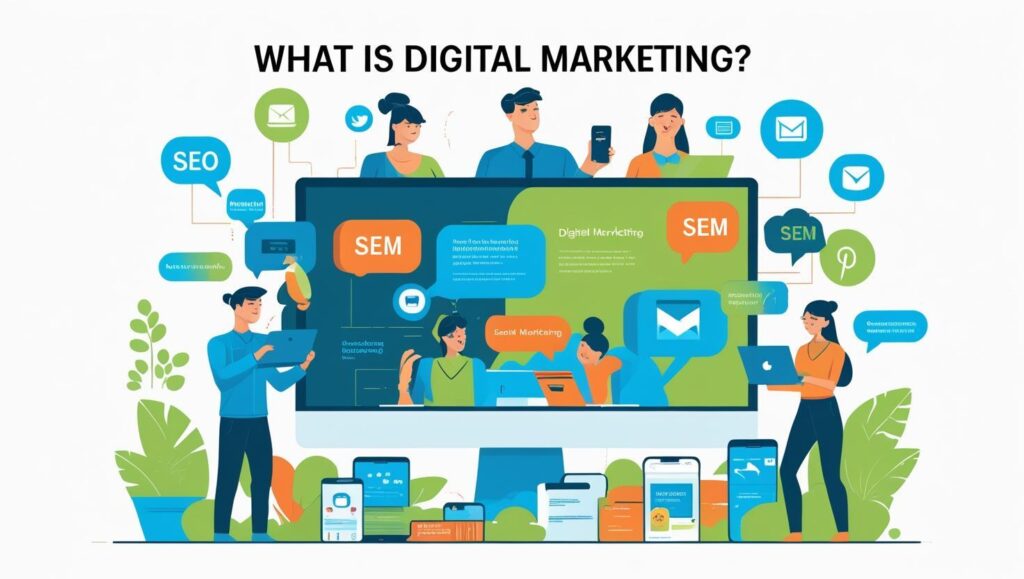
create me a image for this focus keyword what is digital marketing 1
Digital Marketing

What is Digital Marketing and Why is it Important ?

What is Digital Marketing? A Complete Definition What is digital marketing? Digital marketing is the use of digital channels—like websites, search engines, social media, email, and mobile apps—to promote products, services, or brands to an online audience. Unlike traditional marketing, which relies on print ads, TV, or radio, digital marketing leverages the internet and electronic devices to interact and build relationships with current and prospective customers. Key Digital Marketing Channels Websites & Landing Pages Search Engine Optimization (SEO) Search Engine Marketing (SEM/PPC) Social Media Platforms (Facebook, Instagram, X) Email Marketing Content Marketing (blogs, whitepapers, videos) Mobile Apps & SMS Display and Banner Advertising Each channel serves specific objectives, but combined in a smart strategy, they drive awareness, action, and loyalty. What Makes Digital Marketing Unique? Two-way communication: Unlike print or TV, digital marketing allows for instant feedback and engagement. Data-driven decisions: Marketers use real-time analytics for precise targeting and continuous improvement. Personalization: Digital strategies can tailor messages to individuals based on behavior, interests, and lifecycle stage. Global reach: Even the smallest brand can access an international audience. Cost-effective: Digital campaigns often yield a higher ROI with lower investment compared to traditional channels. Why is Digital Marketing Important in 2025? 1. Audience is Online With more than 5.5 billion people using the internet globally, your customers are online—searching for solutions and comparing brands. If your business isn’t visible digitally, you risk being invisible to customers. 2. Brand Awareness and Visibility Digital marketing helps you reach audiences far beyond your local area. A strong digital presence ensures your brand is seen where potential customers spend their time—on search engines, social media, and other digital spaces. 3. Highly Targeted Campaigns You can target audiences by demographics, interests, behaviors, location, and more—down to the individual. This drives more effective campaigns and better conversion rates. 4. Measurable Results Unlike traditional ads, digital marketing lets you track every click, impression, and conversion. With built-in analytics, you can optimize campaigns in real time and prove ROI. 5. Competitive Edge Your competitors are already using digital marketing. From small startups to global brands, those who invest in digital see faster growth and higher revenue. To compete and thrive, digital is non-negotiable. Types of Digital Marketing (With Real-World Context) 1. Search Engine Optimization (SEO) Optimizing your website to rank higher in Google searches and attract organic traffic. 2. Pay-Per-Click Advertising (PPC) Paid ads on platforms like Google Ads that put your business at the top of search results. 3. Social Media Marketing Building relationships and driving engagement on platforms like Facebook, Instagram, LinkedIn, and Twitter. 4. Content Marketing Creating valuable content (blogs, videos, infographics) to inform, educate, and inspire your audiences. 5. Email Marketing Sending personalized, relevant emails to nurture leads and drive conversions. 6. Affiliate and Influencer Marketing Leveraging third-party partners and influencers to amplify your brand and expand reach. 7. Mobile & App Marketing Reaching consumers on the devices they use most through push notifications, SMS, and in-app campaigns. Role of the Best Digital Marketing Agency A Best Digital Marketing Agency elevates your brand by: Developing custom strategies aligned to your goals Executing multi-channel, data-driven campaigns Tracking all metrics and optimizing for maximum ROI Keeping you ahead of trends, tools, and algorithm changes Managing your brand presence end-to-end, freeing you to focus on your business Why Partner with the Best Digital Marketing Agency? Expertise: Access to a full team of specialists—strategy, SEO, content, PPC, and analytics Tailored Solutions: Every campaign is bespoke, not “one size fits all” Full-Service Support: From planning to reporting to creative, everything is covered Measurable Growth: Agencies are accountable for delivering visible business growth The Biggest Benefits of Digital Marketing for Businesses Benefit Why It Matters Global, 24/7 visibility Attract and engage customers worldwide Advanced targeting Reach the right people at the right time Cost-effectiveness Lower costs, higher ROI than traditional Adaptability Fast changes and optimized campaigns Analytics & reporting Know exactly what’s working, and why Brand loyalty Build deeper relationships with your audience Current Trends in Digital Marketing (2025) AI-Powered Personalization: Smarter targeting and content creation Voice & Visual Search: Optimizing for how people search using voice assistants and image recognition Video & Interactive Content: Engaging, immersive experiences capturing attention Privacy-Focused Marketing: Stricter regulations mean smarter data use and transparency Your Quick Checklist: How to Leverage Digital Marketing Audit your website and digital presence Research where your target audience spends time online Develop a clear, multi-channel digital marketing strategy Measure everything—traffic, engagement, conversions Optimize campaigns regularly based on real data Partner with the Best Digital Marketing Agency for advanced results FAQ: What is Digital Marketing? What is digital marketing, in a nutshell?What Is Digital Marketing-It’s all marketing completed through digital channels, connecting brands with audiences online. Can any business benefit from digital marketing?Absolutely—no matter size or industry. What results can I expect?Increased brand awareness, more qualified leads, higher sales, and measurable ROI. Semantic & LSI Keywords to Use Digital marketing, online marketing, SEO, content marketing, brand awareness, PPC advertising, email marketing, social media strategy, internet users, mobile marketing, data analytics, business growth, customer engagement, ROI, omnichannel. Ready to Grow? Take Action! Understanding what is digital marketing is only the first step. Now is the time to invest in your brand’s future with a powerful, progressive digital marketing strategy. Download our “What is Digital Marketing” starter checklist Book a free consultation with the Best Digital Marketing Agency Transform your reach, revenue, and reputation in 2025 and beyond! What is digital marketing? It’s your pathway to bigger audiences, smarter growth, and business success—let the Best Digital Marketing Agency guide you every step of the way

effective social media marketing techniques for beginners 1
SMM

Effective Social Media Marketing Techniques for Beginners

What is Social Media Marketing? Social Media Marketing involves using social media platforms to connect with your audience, build your brand, increase sales, and drive website traffic. This includes creating and sharing content on social networks like Facebook, Instagram, Twitter, LinkedIn, and TikTok to achieve your marketing and business goals. With over 5.31 billion social media users worldwide, Social Media Marketing offers unparalleled reach and engagement opportunities. The Best Digital Marketing Agency leverages these platforms to create meaningful connections between brands and their target audiences. Why Social Media Marketing Matters for Beginners Massive Global Reach Over 4.95 billion people are active on social media platforms, representing nearly 61% of the global population. This enormous audience provides unprecedented opportunities for brand exposure and customer acquisition. Cost-Effective Marketing Social Media Marketing often delivers higher ROI compared to traditional advertising methods, making it ideal for businesses with limited budgets. The Best Digital Marketing Agency can help optimize your spend across platforms for maximum impact. Direct Customer Interaction Unlike traditional marketing, Social Media Marketing enables real-time, two-way communication with your audience, fostering stronger relationships and brand loyalty. Measurable Results Advanced analytics and tracking tools allow you to measure every aspect of your Social Media Marketing campaigns, from engagement rates to conversion metrics. Essential Social Media Marketing Techniques for Beginners 1. Define Clear Goals and Objectives Start your Social Media Marketing journey by establishing SMART goals: Specific: Clearly define what you want to achieve Measurable: Set quantifiable metrics (followers, engagement, leads) Achievable: Set realistic targets based on your resources Relevant: Align goals with your business objectives Time-bound: Set deadlines for achieving your goals 2. Know Your Target Audience Understanding your audience is fundamental to effective Social Media Marketing: Demographics: Age, gender, location, income level Psychographics: Interests, values, lifestyle preferences Behavioral patterns: When they’re active online, preferred content types Platform preferences: Which social networks they use most The Best Digital Marketing Agency uses sophisticated audience research tools to create detailed buyer personas that inform every aspect of your strategy. 3. Choose the Right Platforms Platform-Specific Strategies Facebook Best for community building and broad reach Ideal for video content, events, and customer service Strong advertising platform with detailed targeting options Instagram Visual storytelling platform perfect for lifestyle brands Excellent for product showcases, behind-the-scenes content Strong influencer marketing opportunities LinkedIn Essential for B2B Social Media Marketing Ideal for thought leadership and professional networking Great for sharing industry insights and company updates TikTok Perfect for reaching younger demographics Short-form video content with high viral potential Creative, authentic content performs best Twitter/X Real-time conversation platform Excellent for customer service and brand personality Great for joining trending topics and discussions 4. Create Engaging Content Content Types That Drive Engagement Educational content: How-to guides, tutorials, industry insights Entertainment: Memes, behind-the-scenes content, user-generated content Inspirational: Motivational quotes, success stories, brand values Promotional: Product announcements, special offers (use sparingly) The 50-30-20 Rule Structure your content strategy using this proven formula: 50% value-driven content that educates or entertains 30% curated industry content from other sources 20% promotional content about your products/services 5. Optimize Your Profiles Profile Optimization Checklist: Use consistent branding across all platforms Include relevant keywords in your bio Add contact information and website links Use high-quality profile and cover images Complete all available profile sections 6. Develop a Content Calendar Plan your Social Media Marketing content in advance: Weekly themes: Assign different content types to specific days Seasonal content: Plan for holidays, events, and industry occasions Consistent posting: Maintain regular posting schedules Content variety: Mix different formats (images, videos, stories, polls) Advanced Social Media Marketing Techniques 1. Leverage User-Generated Content (UGC) Encourage customers to create content featuring your products: Run hashtag campaigns Feature customer photos and testimonials Create contests and challenges Offer incentives for content creation 2. Implement Social Media Advertising Paid Social Strategy: Start with small budgets and test different ad formats Use detailed targeting options to reach ideal customers A/B test ad creative, copy, and targeting parameters Monitor performance and optimize campaigns regularly 3. Engage with Your Community Community Management Best Practices: Respond to comments and messages promptly Ask questions to encourage interaction Share and comment on relevant content from others Participate in industry conversations and trending topics 4. Use Analytics to Guide Decisions Key Metrics to Track: Reach and impressions: How many people see your content Engagement rate: Likes, comments, shares relative to followers Click-through rate: How often people click your links Conversion rate: Percentage of social traffic that converts Follower growth: Rate of audience expansion The Role of the Best Digital Marketing Agency Strategic Planning and Execution The Best Digital Marketing Agency brings expertise in: Comprehensive strategy development Platform-specific optimization Content creation and curation Community management Paid advertising campaign management Advanced Tools and Analytics Professional agencies provide access to: Premium social media management tools Advanced analytics and reporting platforms Competitor analysis and market insights Automation and scheduling capabilities Ongoing Optimization The Best Digital Marketing Agency continuously: Monitors campaign performance Adjusts strategies based on data insights Stays current with platform algorithm changes Tests new features and techniques Common Social Media Marketing Mistakes to Avoid Inconsistent posting schedules Over-promotional content Ignoring negative feedback Using irrelevant hashtags Neglecting platform-specific best practices Failing to engage with followers Not tracking performance metrics Social Media Marketing Trends for 2025 Short-Form Video Content Platforms like TikTok and Instagram Reels continue dominating engagement rates, with 84% of social users having Instagram profiles. Influencer Collaborations Authentic partnerships with micro and nano-influencers drive higher engagement rates than celebrity endorsements. Social Commerce Direct shopping features on platforms like Instagram and Facebook streamline the purchase process. AI-Powered Personalization Advanced algorithms help deliver more targeted content and advertising to specific audience segments. Getting Started: Your Social Media Marketing Action Plan Week 1: Foundation Define your goals and target audience Audit your current social media presence Choose 2-3 primary platforms to focus on Optimize your profiles with consistent branding Week 2: Content Strategy Develop your content pillars and themes Create a content calendar for the next month Design templates for consistent visual branding Plan your first week of posts Week 3: Launch and Engage Begin posting according to your schedule Engage with your audience and other accounts Monitor performance using platform analytics Join relevant conversations in your industry Week 4: Analyze and Optimize Review your

create me a image for this focus keyword meta ads 2
SEM

Meta Ads: Master the Art of Targeting the Right Audience

The Evolution of Meta Ads Targeting Meta Ads targeting has undergone significant transformation, moving from granular interest-based segmentation to AI-powered audience optimization. In 2025, the platform leverages sophisticated machine learning algorithms that can identify and target high-value prospects more effectively than ever before. The Best Digital Marketing Agency understands that modern Meta Ads success requires balancing human strategy with AI-driven optimization, creating campaigns that adapt and improve based on real-time performance data. Understanding Meta Ads Audience Types 1. Saved Audiences (Core Audiences) Saved audiences form the foundation of Meta Ads targeting, allowing advertisers to define their ideal customers based on demographics, interests, behaviors, and connections. Key components include: Demographics: Age, gender, location, education, job titles Interests: Hobbies, activities, entertainment preferences, brand affinities Behaviors: Purchase patterns, device usage, travel habits Connections: People who have engaged with your pages or events 2. Custom Audiences Custom audiences enable Meta Ads to target people who have already interacted with your business, making them highly effective for retargeting campaigns. Types of custom audiences: Website visitors tracked through Meta Pixel Customer lists uploaded from your CRM App users who have downloaded or engaged with your mobile app Engagement audiences who interacted with your social media content 3. Lookalike Audiences Lookalike audiences use Meta Ads AI to find new prospects who share similar characteristics with your existing customers. Best practices for lookalike audiences: Use high-quality seed audiences of your best customers Test different similarity percentages (1% for precision, 5-10% for scale) Regularly update source audiences for optimal performance Performance improvements achieved through strategic Meta Ads audience targeting compared to broad targeting approaches Advanced Meta Ads Targeting Strategies in 2025 The Rise of Advantage+ Audience Meta Ads Advantage+ represents the platform’s most advanced AI-driven targeting solution, automatically expanding your audience to find the highest-performing prospects. Benefits of Advantage+ include: 13% lower cost per acquisition on average Automated audience expansion based on performance data Reduced campaign management time and complexity Real-time optimization across all targeting parameters The Best Digital Marketing Agency recommends using Advantage+ for established accounts with sufficient conversion data while maintaining manual targeting for specific strategic objectives. Hybrid Targeting Approach Modern Meta Ads success requires combining multiple targeting methods: Start with broad audiences to gather initial performance data Layer in specific interests for accounts with limited historical data Create custom audiences from high-value interactions Develop lookalike audiences from your best customers Allow Advantage+ expansion for optimal performance Creative-Driven Targeting In 2025, Meta Ads creative has become the new targeting mechanism. Your ad content directly influences who sees your ads by attracting specific audience segments. Key principles: Speak directly to your ideal customer in ad copy Address specific pain points that resonate with your target audience Use visual elements that appeal to your demographic Include clear value propositions that attract qualified prospects Meta Ads Best Practices for Audience Targeting 1. Audience Size Optimization The Best Digital Marketing Agency recommends optimal audience sizes based on campaign objectives: Brand awareness campaigns: 1-10 million people Conversion campaigns: 500,000-2 million people Retargeting campaigns: 1,000-100,000 people Local campaigns: 10,000-500,000 people 2. Geographic Targeting Strategy Meta Ads geographic targeting should align with your business model: Broad targeting: Target entire countries for maximum reach City-level targeting: Focus on specific metropolitan areas Radius targeting: Target areas around physical locations Exclusion zones: Remove low-performing or irrelevant locations 3. Demographic Refinement While Meta Ads AI handles most optimization, strategic demographic refinement can improve performance: Age targeting: Focus on age groups that show highest conversion rates Gender targeting: Only specify if your product has strong gender preference Language targeting: Ensure ad language matches audience language preferences Common Meta Ads Targeting Mistakes to Avoid Over-Segmentation Creating audiences that are too small limits Meta Ads ability to optimize effectively. The platform needs sufficient volume to learn and adapt. Audience Overlap Multiple ad sets targeting similar audiences can compete against each other, driving up costs and reducing overall performance. Static Targeting Failing to update and refresh audiences based on performance data prevents campaigns from reaching their full potential. Ignoring Mobile Behavior With over 98% of Meta Ads users accessing the platform via mobile, targeting strategies must account for mobile-first behaviors and preferences. The Role of AI in Meta Ads Targeting Machine Learning Optimization Meta Ads uses sophisticated algorithms to analyze billions of data points and identify the most likely converters for your campaigns. Key AI features include: Predictive modeling to identify high-value prospects Real-time bidding optimization based on user likelihood to convert Cross-platform intelligence leveraging data from all Meta properties Dynamic audience expansion when beneficial for performance Automated Creative Optimization Meta Ads Dynamic Creative Optimization automatically tests different combinations of headlines, images, videos, and calls-to-action to find the highest-performing variations for each audience segment. Measuring Meta Ads Targeting Success Key Performance Indicators The Best Digital Marketing Agency tracks these essential Meta Ads targeting metrics: Cost Per Result: Efficiency of different audience segments Return on Ad Spend (ROAS): Revenue generated per dollar spent Conversion Rate: Percentage of clicks that lead to desired actions Quality Score: Meta’s assessment of ad relevance and performance Audience Overlap: Degree of competition between ad sets Advanced Attribution Understanding the full customer journey requires sophisticated attribution modeling: View-through conversions from users who saw but didn’t click ads Cross-device tracking to understand multi-device customer paths Lifetime value analysis to optimize for long-term customer value Incremental lift studies to measure true advertising impact Expert Strategies from the Best Digital Marketing Agency Sequential Targeting Campaigns Advanced Meta Ads campaigns use sequential targeting to guide prospects through the customer journey: Awareness stage: Broad audiences with educational content Consideration stage: Custom audiences with product-focused messaging Decision stage: Retargeting campaigns with special offers Retention stage: Customer audiences with loyalty programs Cross-Platform Optimization The Best Digital Marketing Agency optimizes Meta Ads across the entire Meta ecosystem: Facebook: Detailed targeting with comprehensive ad formats Instagram: Visual-first campaigns targeting younger demographics Messenger: Conversational ads for direct customer interaction Audience Network: Extended reach beyond Meta properties Data-Driven Audience Insights Leveraging Meta’s enhanced audience insights to refine targeting strategies: Behavioral pattern analysis to identify optimal ad timing Device preference insights for creative optimization Engagement trend monitoring for content strategy refinement Competitive intelligence to identify market opportunities Future Trends in Meta Ads Targeting Privacy-First Advertising As privacy regulations evolve, Meta Ads is adapting with new targeting approaches: First-party data emphasis for custom audience creation Privacy-safe measurement using aggregated and anonymized data Contextual targeting based on content rather than behavior Cohort-based advertising for group-level insights without individual tracking Enhanced AI Capabilities Meta Ads continues advancing AI-powered targeting features: Predictive audience creation identifying future high-value customers

create me an image for keyword best free seo plugin for wordpress should be highly impressive (1)
SEO

How to Choose the Best Free SEO Plugin for WordPress

Understanding WordPress SEO Plugins and Their Importance WordPress SEO plugins are essential tools that help optimize your website for search engines without requiring technical expertise. These plugins streamline complex SEO tasks by providing user-friendly interfaces for managing meta tags, sitemaps, schema markup, and content optimization. The importance of best free seo plugin for wordpress cannot be overstated. According to recent studies, not using an SEO plugin is one of the most common WordPress SEO mistakes that can significantly impact your site’s performance. These tools help you avoid critical errors while ensuring your content is properly optimized for search engines. Modern SEO plugins offer features that would typically require hiring an SEO expert or developer. They automate technical SEO tasks, provide real-time content analysis, and guide you through optimization best practices, making professional-level SEO accessible to everyone. Key Features to Look for in the Best Free SEO Plugin for WordPress Essential On-Page Optimization Tools When evaluating the best free SEO plugin for WordPress, prioritize plugins that offer comprehensive on-page optimization features. These should include meta title and description editors, keyword optimization tools, and content analysis capabilities. Look for plugins that provide real-time feedback as you write, helping you optimize content before publishing. The most effective plugins offer features like focus keyword analysis, readability checks, and SEO scoring systems. These tools ensure your content meets search engine requirements while remaining engaging for human readers. XML Sitemap Generation and Management Automatic XML sitemap generation is a non-negotiable feature for any quality SEO plugin. Sitemaps help search engines understand your site structure and discover new content efficiently. The best plugins automatically update sitemaps when you publish new content and allow customization of what gets included. Schema Markup Implementation Schema markup, also known as structured data, helps search engines understand your content better and can lead to rich snippets in search results. Look for plugins that offer comprehensive schema support without requiring coding knowledge. This feature can significantly improve your click-through rates from search results. Technical SEO Capabilities Quality SEO plugins should handle technical aspects like canonical URLs, robots.txt editing, and breadcrumb configuration. These features prevent common technical SEO issues that could negatively impact your rankings. Top Contenders: Comprehensive Comparison of Leading Free SEO Plugins Rank Math: The Feature-Rich Newcomer Rank Math has quickly gained popularity by offering an impressive array of features in its free version. With over 2 million active installations, it provides advanced functionality typically found only in premium plugins. Strengths: Unlimited focus keywords in the free version Built-in 404 monitor and redirection tools Advanced schema markup support Google Search Console integration AI-powered suggestions Modular design allowing you to enable only needed features Considerations: Can be overwhelming for beginners due to extensive features Newer plugin with a smaller community compared to established alternatives Yoast SEO: The Established Leader Yoast SEO remains one of the most popular WordPress SEO plugins with over 10 million installations. Its traffic light system provides clear, actionable feedback on content optimization. Strengths: User-friendly interface with intuitive traffic light system Comprehensive readability analysis using Flesch-Kincaid metrics Extensive documentation and learning resources Strong focus on content optimization guidance Inclusive language analysis features Limitations: Free version limited to one focus keyword per page Many advanced features require premium upgrade Interface considered outdated compared to newer alternatives All in One SEO (AIOSEO): The User-Friendly Option AIOSEO positions itself as the most beginner-friendly comprehensive SEO solution with over 3 million users. It emphasizes ease of use while providing powerful optimization tools. Strengths: Intuitive setup wizard for beginners TruSEO on-page analysis with actionable checklists Dynamic meta tag generation with smart variables Author SEO features for E-A-T compliance Comprehensive schema markup support Considerations: Some advanced features require premium version Less extensive free feature set compared to Rank Math SEOPress: The Clean Alternative SEOPress offers a clean, lightweight approach to WordPress SEO with over 250,000 installations. It focuses on essential features without overwhelming users with unnecessary options. Strengths: Clean, minimalist interface Unlimited keywords in free version White-label capabilities for agencies Affordable premium pricing structure Limitations: Smaller user community and support resources Fewer advanced features in the free version The SEO Framework: The Performance-Focused Choice The SEO Framework stands out for its speed and automation-first approach. It’s designed for users who want essential SEO functionality without plugin bloat. Strengths: Fastest performance among full-featured SEO plugins Automatic configuration and meta tag generation Lightweight and optimized for speed Extension system for additional functionality Limitations: Minimal on-page content optimization features Advanced features require separate extensions Performance Impact: Choosing Speed vs Features Plugin performance significantly affects your website’s loading speed, which directly impacts SEO rankings. Recent performance comparisons reveal substantial differences between popular SEO plugins: The SEO Framework leads in performance optimization, followed by Slim SEO and SEOPress. While feature-rich plugins like Rank Math and Yoast offer more functionality, they may impact site speed more significantly. Consider your website’s performance requirements when choosing the best free SEO plugin for WordPress. High-traffic sites or those with strict speed requirements might benefit from lightweight options, while content-heavy sites may need more comprehensive feature sets. Installation and Setup: Getting Started with Your Chosen Plugin Step-by-Step Installation Process Installing any WordPress SEO plugin follows a similar process: Access your WordPress dashboard and navigate to Plugins > Add New Search for your chosen plugin using the plugin name Click “Install Now” and wait for the installation to complete Activate the plugin to begin using its features Run the setup wizard if available to configure basic settings Initial Configuration Best Practices Most quality best free seo plugin for wordpress include setup wizards that guide you through initial configuration. Take advantage of these tools to ensure proper setup from the beginning. Key configuration steps typically include: Setting your website type and industry Configuring homepage SEO titles and descriptions Connecting Google Search Console and Analytics Enabling essential features like XML sitemaps Setting up social media integration Importing from Previous Plugins If you’re switching from another SEO plugin, look for import functionality that preserves your existing SEO data. This prevents losing valuable optimization work and maintains

step by step
Digital Marketing

Step-by-Step Guide to AI in Digital Marketing for Smarter Growth

Why AI in Digital Marketing is a Game Changer AI in Digital Marketing has always been about understanding customers. In the digital age, the challenge is not about finding data — it’s about making sense of too much of it. AI solves this problem by analyzing massive datasets instantly and generating actionable insights. Key Reasons to Use AI in Digital Marketing: Data-Driven Insights – Turn raw numbers into smart strategies. Hyper-Personalization – Deliver the right message to the right person at the right time. Time-Saving Automation – Eliminate repetitive tasks like A/B testing, scheduling, and reporting. Enhanced Customer Experience – AI chatbots and voice assistants provide instant support 24/7. ROI Optimization – AI ensures you spend smarter, not harder, across channels. Step 1: Understand Core Applications of AI Before implementing AI in your digital strategy, it’s essential to understand its applications. 1. Content Creation & Copywriting AI writing assistants like ChatGPT, Jasper, and Copy.ai help brands generate blogs, ads, and email campaigns in seconds. For example, Puma uses AI-generated product descriptions to speed up its eCommerce workflows. 2. SEO & Search Optimization AI tools such as Surfer SEO and Clearscope analyze search intent, suggest semantic keywords, and even predict trending topics. Instead of guesswork, marketers can rely on AI to craft SEO strategies that match how people search. 3. Paid Advertising Platforms like Albert.ai optimize ad placements in real-time. AI constantly adjusts targeting, bids, and creatives, ensuring higher conversions with lower costs. 4. Social Media Marketing Tools like Buffer AI and Sprout Social identify the best posting times, generate captions, and even track competitor trends. 5. Customer Engagement AI-driven chatbots such as Drift or Intercom enhance user interactions, while recommendation engines (like Netflix or Amazon) provide personalized suggestions. 6. Email Marketing AI ensures your emails don’t end up in the spam folder. Tools like Mailchimp AI analyze subject lines, sending times, and personalization to maximize open rates. Step 2: Define Your Marketing Goals Using AI in Digital Marketing without clear goals is like sailing without a map. Identify what you want to achieve: Increase traffic → Use AI-powered SEO tools. Boost conversions → Leverage AI for ad targeting. Improve retention → Focus on personalized email campaigns. Reduce costs → Automate repetitive marketing tasks. When your goals are measurable, AI tools will deliver the best results. Step 3: Choose the Right AI Tools Not all AI platforms serve the same purpose. Here’s a categorized list to help you pick the right stack: SEO Optimization → Surfer SEO, SEMrush AI, Clearscope Content Creation → Jasper, ChatGPT, Copy.ai Advertising → Albert.ai, AdCreative.ai Social Media → Hootsuite AI, Buffer AI Customer Engagement → Drift, ManyChat, Intercom Analytics → Google Analytics 4 with AI-driven predictions 💡 Pro Tip: Start with one tool per marketing channel, then expand gradually. Step 4: Implement AI in Small Steps Trying to revamp your entire marketing process with AI at once can backfire. Instead: Start with a single area (e.g., automate social media scheduling). Track results over 30–60 days. Add AI for another function (ads, email marketing, etc.). Scale based on proven ROI. This way, you reduce risk while learning AI’s strengths. Step 5: Train Your Team AI in Digital Marketing isn’t about replacing humans but empowering them. Ensure your team: Knows how to use AI tools effectively. Balances automation with creativity. Understands ethical AI practices (data privacy, fairness, and bias reduction). Investing in AI upskilling ensures you maximize results. Step 6: Measure Performance & Optimize AI tools provide advanced analytics, but human oversight is crucial. Track: Website traffic growth Conversion rates Engagement levels Cost per acquisition (CPA) ROI per channel Review results monthly and refine your strategy. Real-World Examples of AI in Digital Marketing Coca-Cola – Uses AI to test and optimize ad creatives globally. Spotify – Leverages AI for personalized playlists like “Discover Weekly.” Sephora – Implements AI chatbots for product recommendations. Nike – Uses AI to predict fashion trends and optimize campaigns. Small Businesses – Even startups use AI-driven SEO and email campaigns to compete with large brands. Benefits of AI in Digital Marketing Faster Execution – Launch campaigns in days, not weeks. Cost Efficiency – Lower ad costs with smarter targeting. Personalization – Customers receive tailored recommendations. Time Savings – Automate reporting, testing, and content creation. Smarter Decisions – Predictive analytics ensures data-backed strategies. Challenges of Using AI in Digital Marketing While the benefits are massive, AI adoption comes with hurdles: High Initial Investment – Premium AI tools can be costly. Data Privacy Risks – Customer trust depends on responsible AI use. Over-Reliance on Automation – Creativity can suffer if humans step back. Learning Curve – Teams may need training to adapt. The solution? A hybrid approach where AI handles data and automation while humans focus on creativity and strategy. Future of AI in Digital Marketing AI is evolving rapidly. Expect to see: Voice Search Optimization – With smart speakers booming, AI will optimize for spoken queries. AI-Generated Video Content – From product demos to influencer avatars. Predictive Analytics at Scale – Campaigns that anticipate customer behavior. Ethical AI Marketing – Transparency and fairness will define successful brands. Businesses that adopt AI today will lead the digital marketplace tomorrow. FAQs About AI in Digital Marketing Q1: Will AI replace digital marketers?No. AI handles repetitive and data-heavy tasks, but creativity, strategy, and emotional intelligence remain human strengths. Q2: Is AI marketing only for big brands?Not at all. Startups and SMBs can use affordable tools like Mailchimp AI, Buffer AI, or free SEO optimizers. Q3: How much does AI marketing cost?It depends. Some tools are free, while premium platforms range from $20/month to thousands for enterprise use. Q4: Can AI improve customer trust?Yes. By delivering personalized, transparent, and unbiased campaigns, AI strengthens customer relationships. Step-by-Step Checklist for Getting Started Define your business goals. Select AI tools based on your needs. Start small with one campaign. Train your team on AI usage. Measure results and optimize. Scale gradually across channels. Final Thoughts AI isn’t here to replace marketers — it’s here to make them smarter, faster, and more effective. By implementing AI in digital marketing across content creation, SEO, ads, and customer engagement, you can achieve better ROI, happier customers, and a competitive edge. 👉 The takeaway? Start small, experiment, and scale. The brands that adopt AI today will dominate tomorrow.

Scroll to Top